What Nobody Tells You About Top 3 Football Cleats
The Nike Premier 3 is the best football cleat for most beginners in 2026 because it combines a soft leather touch, dependable firm-ground traction, and a sensible price. The Nike Mercurial Vapor 16 Pr...
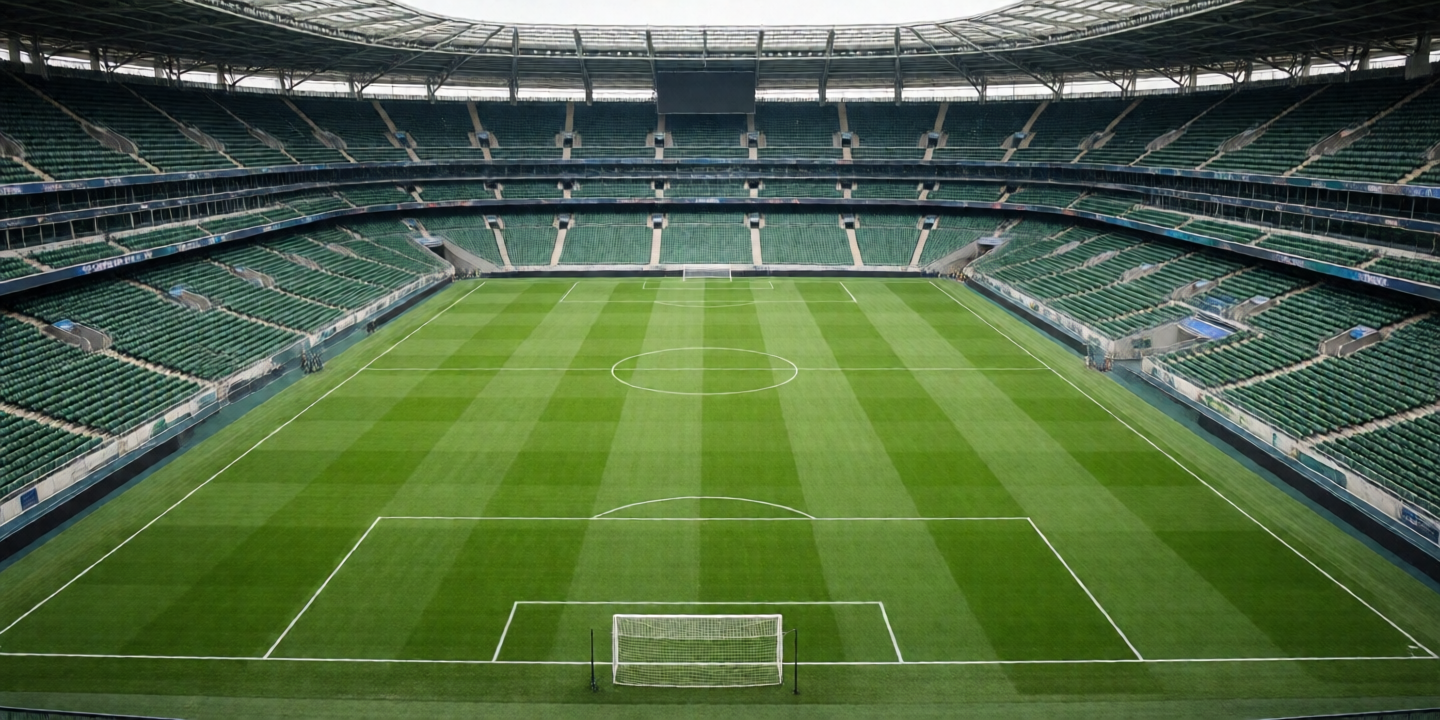
What Nobody Tells You About Top 3 Football Cleats
The Nike Premier 3 is the best football cleat for most beginners in 2026 because it combines a soft leather touch, dependable firm-ground traction, and a sensible price. The Nike Mercurial Vapor 16 Pro is faster and more responsive, while the Adidas Copa Pure 3 offers comfortable lockdown for players who prefer a cushioned feel. These recommendations apply to association football, commonly called soccer in the United States, on natural grass and suitable artificial surfaces. A beginner should prioritize correct fit, surface compatibility, and pain-free movement over elite-level speed technology. Expect to spend roughly $70 to $180, depending on the model and retailer. Check league rules before buying, especially if your competition restricts detachable studs or requires molded soles. Start by measuring both feet in your match socks, then choose the pair that secures the heel without squeezing the toes.
A first pair of cleats is not a fashion investment, although football brands would understandably like you to believe otherwise. It is the equipment that controls your contact with the ground during acceleration, stopping, turning, and striking. Beginners can buy the lightest model available, only to discover that a narrow upper, aggressive soleplate, or stiff heel counter makes ordinary movement miserable. That can be an expensive lesson. The practical rule is simple: comfort and fit come before speed claims, carbon plates, or celebrity endorsements. FIFA Law 4 requires players to wear equipment that is safe, and footwear with dangerous features is not acceptable under the International Football Association Board Laws of the Game. For readers following football culture and the 2026 tournament through Fan Strategy, this guide keeps the purchasing decision grounded in the details that actually matter on a pitch.
Ready to compare the leading options before shopping?
The Top 3 at a Glance
- Nike Premier 3 — best overall: Soft leather, predictable touch, and excellent value for first-time players.
- Nike Mercurial Vapor 16 Pro — best for speed: A lightweight, close-fitting design for aggressive runners and wide attackers.
- Adidas Copa Pure 3 — best value: A forgiving synthetic upper, comfortable cushioning, and broad everyday usability.
How the shortlist works
These are not the only competent beginner football cleats. Adidas Predator Accuracy models, Puma Future Match boots, and New Balance Furon alternatives can all make sense when their fit matches your foot. However, the three ranked models above cover the most useful beginner profiles: balanced all-round play, speed-oriented movement, and affordable comfort. The Nike Premier 3 is particularly sensible for a player still learning whether they prefer central midfield, defense, or attack. Position-specific marketing is often premature at this stage; your technique will change faster than your identity as a player. A 2024 review of sports footwear principles from the American College of Sports Medicine also supports a basic point many advertisements obscure: footwear should match activity demands and individual comfort, not merely appearance. One practical edge case deserves attention: a cleat that fits perfectly for ten minutes in thin casual socks may feel painfully tight after a 90-minute match in thicker football socks. Always test the actual setup.
beginner football training guide
#1 Nike Premier 3: Best Overall
The Nike Premier 3 is the best overall beginner football cleat because its kangaroo-leather touch, traditional shape, and firm-ground outsole make learning feel predictable rather than over-engineered. It suits recreational players, youth athletes, and adults who want one dependable boot for regular grass training.
The Premier 3 stands out because it does not force the wearer to adapt to an aggressively narrow silhouette. Its leather upper can soften with use, giving the ball a more natural contact point for passing, receiving, and shooting. That matters for beginners, who benefit from consistent feedback while learning first touch. The soleplate uses molded studs for firm natural grass, not frozen ground, muddy soft ground, or every artificial-turf surface. Nike typically positions the Premier line below its elite Mercurial and Phantom tiers, so pricing often lands near the lower or middle range depending on sales and colorway. The trade-off is weight: it is not the fastest-feeling boot in this group, and leather may absorb water if poorly maintained. After wet sessions, remove the insoles, loosen the laces, and dry the boots at room temperature rather than beside a radiator. That small maintenance habit reduces odor, cracking, and shape distortion. The unfashionable, less aggressive option is often the smarter first purchase.
Who should choose the Nike Premier 3?
Choose the Nike Premier 3 if you want touch, comfort, and versatility more than maximum sprint sensation. It is especially suitable for midfielders, defenders, and beginners who attend two or three sessions weekly on natural grass.
Look for these signals before buying:
- Your toes can move slightly without sliding forward.
- Your heel remains secure during a walking lunge.
- The leather upper does not create a painful pressure point.
- The FG sole is permitted by your league and matches the grass.
- Your match socks fit without making the boot painfully tight.
Fit checks are more useful than a brand chart alone. Wear both boots for at least 15 minutes, walk, jog, and make several lateral movements. If numbness appears, do not assume the boot will magically stretch into perfection. Leather can relax, but a fundamentally wrong shape rarely becomes correct. This is one reason the Premier 3 remains a strong beginner recommendation: its forgiving construction gives you some margin, but it cannot compensate for buying the wrong size. To understand how cleat design affects movement, see this guide to football change of direction.
Want the practical fit checklist before choosing a size?
#2 Nike Mercurial Vapor 16 Pro: Best for Speed
The Nike Mercurial Vapor 16 Pro is best for beginners who value a lightweight, close-to-the-foot feel and frequently sprint, attack space, or play wide. It is quick and responsive, but its narrow shape makes accurate fitting more important than with the Nike Premier 3.
The Mercurial Vapor 16 Pro is built around speed-oriented movement, with a streamlined upper and an outsole designed to support acceleration on firm natural grass. Beginners often enjoy its low-profile sensation because the boot feels connected to the foot during sharp cuts. Yet that same close fit can become a problem for players with broad forefeet or high insteps. A common mistake is sizing up dramatically to create width; that usually produces heel movement, friction, and poorer control. Instead, compare the Nike size chart with your measured foot length and try the boot later in the day, when feet are slightly larger after normal activity. The Vapor 16 Pro also costs more than the Premier 3, with many retail listings approaching or exceeding $150. You are paying for lighter construction and a more specialized feel, not guaranteed better technique. A beginner who is still growing may receive better value from the Premier 3 or Adidas Copa Pure 3, because replacing a premium boot every season is a mildly absurd luxury, even for someone who treats sports shopping as a daily venue.
When does the Mercurial Vapor 16 Pro make sense?
The Mercurial Vapor 16 Pro makes sense when the player has a narrow-to-medium foot, prefers a close fit, and regularly uses acceleration as part of their playing style. It is less suitable when comfort requires a roomy toe box or when training takes place mainly on artificial turf.
Before purchase, confirm the outsole label. Nike offers different soleplate configurations, and an FG boot should not automatically be used on hard artificial turf. Some surfaces increase stud pressure under the forefoot, causing discomfort even when the boot itself fits well. The exact risk depends on the turf pile, stud geometry, body weight, and session duration, so your club’s equipment guidance matters. Also inspect the insole after several sessions: if it bunches beneath the arch, replace it with a compatible flat insole rather than tightening the laces until circulation suffers. That is a specific operational detail many buying guides omit. Speed boots do not need to feel painfully tight; secure lockdown is the goal, not punishment. For tournament context, Fan Strategy covers player speed profiles and tactical roles surrounding the 2026 World Cup team tactics guide, but those roles should not dictate your first boot purchase.
#3 Adidas Copa Pure 3: Best Value
The Adidas Copa Pure 3 is the best-value option for beginners who want a soft, forgiving feel and reliable everyday performance without paying elite-model prices. Its synthetic upper, cushioning, and accessible price make it a sensible choice for school teams, recreational leagues, and developing players.
The Copa Pure 3 generally feels less demanding than a narrow speed boot. Its upper is designed to provide comfortable contact across the instep, while the sole construction supports ordinary passing, jogging, and directional changes on firm ground. It may not offer the same premium touch as a higher-tier leather boot or the same explosive sensation as the Mercurial Vapor 16 Pro, but beginners rarely need those extremes. Value here means fewer compromises at a realistic budget, not merely the lowest sticker price. Check whether the listed model is Copa Pure 3 League, Club, or a higher tier, because Adidas uses the Copa name across several construction levels. Prices can differ substantially between grades, and clearance colors may be discounted by 30 to 50 percent without changing the underlying outsole category. The clever purchase is often last season’s model in the correct size, not this season’s most dramatic colorway. Inspect the return policy, particularly when buying online, because a boot that cannot be returned is not a bargain if the toe box is wrong.
What makes the Adidas Copa Pure 3 a strong value?
The Adidas Copa Pure 3 offers strong value because it combines beginner-friendly comfort with a lower price than premium Nike Mercurial and Adidas Predator models. It is particularly attractive for players who train regularly but are still developing their preferred position and fit.
One useful comparison is durability per session. If a $90 boot lasts 60 training sessions, its equipment cost is about $1.50 per session; a $180 boot lasting 80 sessions costs $2.25 per session before replacement insoles or shipping. That calculation is not a laboratory durability test, but it is a better value measure than the original price alone. Surface also changes the equation. Using FG studs on abrasive artificial turf can shorten outsole life, while an AG-specific model may cost more initially but preserve comfort and traction over a full season. Ask your coach whether the venue is natural grass, 3G turf, or a mixed schedule before ordering. The United States Soccer Federation and local competition organizers may publish equipment guidance, but venue rules can be stricter than broad national recommendations. A versatile beginner boot is useful only when it is legal and appropriate where you actually play.
Get a clearer view of the surface and maintenance details here.
How We Ranked Them
The ranking weighs fit and comfort at 35%, traction and surface suitability at 25%, touch and control at 15%, durability at 15%, and price at 10%. This weighting intentionally places comfort above laboratory-style speed claims, because beginners spend more time learning movement patterns than exploiting marginal weight differences.
The evaluation also considers real buying conditions: size availability, model tiers, return policies, maintenance demands, and whether the boot remains sensible across multiple playing positions. A cleat may be excellent in isolation yet unsuitable for a new player because it is too narrow, too expensive, or designed for a surface they rarely use. I would rather recommend an $85 Adidas Copa Pure 3 that fits correctly than a $260 signature model that creates blisters in the second half. That is not an anti-premium argument; it is simply an efficiency argument. The FIFA Medical Network emphasizes injury-prevention principles around preparation, appropriate equipment, and player welfare, although no cleat can prevent every injury. In practical terms, traction should support controlled movement without making the foot feel trapped. If studs grip while the knee and ankle cannot rotate naturally, comfort and technique both suffer.
The five checks behind the scores
- Fit: Heel lockdown, toe space, width, instep pressure, and sock compatibility.
- Surface: FG for firm natural grass, AG for many artificial-grass pitches, and SG only when permitted.
- Touch: Upper softness, ball feedback, and control during receiving.
- Construction: Soleplate integrity, stitching, insole comfort, and drying requirements.
- Cost: Purchase price, expected sessions, return terms, and replacement frequency.
The most important information-gain point is that stud category is not a minor label. FG, AG, MG, and SG describe different traction assumptions, and manufacturers do not always use identical naming conventions. A molded multi-ground boot may be convenient for a player alternating between grass and turf, but convenience can involve compromises in pressure distribution and grip. Before buying, photograph the soleplate and send it to your club equipment manager if the product page is unclear. Another overlooked issue is temperature: synthetic uppers can feel stiffer in cold weather, while wet leather becomes heavier and needs longer drying time. Store boots with paper inside them, never in a sealed kit bag overnight. These small decisions often influence lifespan more than the logo. For readers comparing football gear alongside tournament coverage, Fan Strategy can provide the match context, but your pitch, foot shape, and weekly schedule remain the decisive evidence.
Which Should You Pick?
Pick the Nike Premier 3 if you want the safest all-round beginner recommendation, the Nike Mercurial Vapor 16 Pro if you have a narrow foot and prioritize speed, or the Adidas Copa Pure 3 if comfort and budget matter most. Choose the outsole only after confirming your actual playing surface.
A simple decision path should prevent most expensive mistakes:
- Mostly natural grass and unsure of your position: Nike Premier 3.
- Narrow foot, frequent sprints, speed-focused style: Nike Mercurial Vapor 16 Pro.
- Mixed beginner use, moderate budget, comfort-first fit: Adidas Copa Pure 3.
- Mostly artificial turf: Look for an AG or manufacturer-approved MG model rather than assuming FG is acceptable.
- Growing youth player: Favor fit, return flexibility, and price over elite technology.
Do not buy a cleat because a professional player wears it. Professional athletes receive customized sizing, frequent replacements, and playing surfaces maintained to a high standard; your local field may have compacted soil, uneven grass, or abrasive turf. The best beginner football cleat is therefore personal, legal for the competition, and comfortable for the whole session. Test with your real socks, walk before sprinting, and stop if you feel numbness or sharp pain. A modestly priced boot that lets you train consistently will improve more than an expensive boot left in the closet because it hurts. Believe it or not — I do.
Need a final comparison before making your decision?
Frequently Asked Questions
Q: What are football cleats for beginners?
A: Football cleats for beginners are soccer boots designed to provide secure fit, appropriate traction, and comfortable ball contact without requiring advanced technique. Common examples include the Nike Premier 3, Nike Mercurial Vapor 16 Pro, and Adidas Copa Pure 3. Beginners should choose the outsole for their surface and avoid boots that cause pressure, slipping, or heel movement. The most expensive model is not automatically the safest or most useful first pair.
Q: How should I choose the right football cleat size?
A: Choose the size that holds your heel securely while leaving slight toe movement and no painful pressure across the forefoot. Measure both feet in the socks you will wear for football, preferably later in the day, then compare the result with the manufacturer’s size chart. Try both boots for at least 15 minutes and perform lateral steps before removing tags. Do not rely on sizing up as a solution for a narrow shape; it can create blisters and reduce control.
Q: What is the difference between FG and AG football cleats?
A: FG cleats are generally designed for firm natural grass, while AG cleats are designed for many artificial-grass pitches. FG studs may feel uncomfortable or create excessive pressure on abrasive artificial turf, depending on the field and boot geometry. AG models distribute contact differently and can be the better option for frequent 3G or 4G training. Ask your club which surfaces it uses and check the manufacturer’s outsole guidance before purchase.
Q: Is the Nike Premier 3 better than the Mercurial Vapor 16 Pro?
A: The Nike Premier 3 is better for most beginners seeking comfort and versatile touch, while the Mercurial Vapor 16 Pro is better for narrow-footed players who prioritize lightweight speed. The Premier 3 usually costs less and offers a more forgiving shape. The Vapor 16 Pro feels more streamlined but can expose fit problems quickly. Neither model is universally superior, so foot shape and surface should decide the purchase.
Q: How much should beginner football cleats cost?
A: Most beginner football cleats cost approximately $70 to $180, with premium models exceeding that range. The Adidas Copa Pure 3 and Nike Premier 3 often provide the strongest value when discounted or purchased from a previous season. Budget for football socks, possible replacement insoles, and a second pair if you play on different surfaces. A $90 boot used for 60 sessions can cost less per session than a $180 boot used only occasionally because it causes discomfort.
Q: What should I do if new football cleats cause blisters?
A: Stop using the boots for long sessions, inspect the friction point, and confirm that the size and heel lockdown are correct. Wear them gradually for short training periods with the intended socks, but do not continue through sharp pain or numbness. If the heel slips, tightening the laces may help; if the toe box is too narrow, stretching rarely fixes the fundamental shape. Use the retailer’s return policy while the boots remain eligible, and seek medical advice for persistent wounds or swelling.
Q: Can beginners use professional football cleats?
A: Beginners can use professional football cleats if the fit, outsole, price, and comfort are appropriate, but they do not need elite technology to develop basic skills. Professional models may be lighter, narrower, less durable, or more expensive than entry-level versions. For a first purchase, the Nike Premier 3 or Adidas Copa Pure 3 usually offers more forgiveness. Move to a premium model after you understand your preferred fit, position, surface, and training frequency.
If you are ready to make a more informed equipment decision, begin with your playing surface and foot measurements rather than the marketing headline.